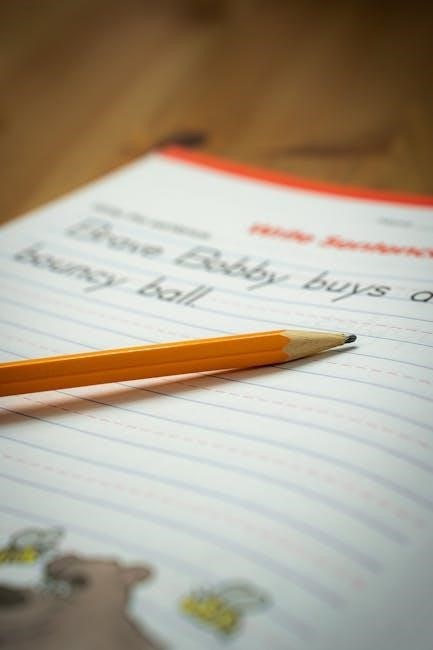
Understanding Primary School Textbooks in PDF Format
Primary school textbooks in PDF format are increasingly common‚ offering accessibility and cost-effectiveness for students and educators globally‚ impacting educational resource distribution.
The Rise of Digital Textbooks
The shift towards digital textbooks‚ particularly primary school textbooks in PDF format‚ marks a significant evolution in education. This transition is fueled by increasing device accessibility – tablets‚ laptops‚ and smartphones – within households and schools. PDFs offer a convenient‚ portable alternative to traditional printed books‚ reducing physical burden on young students. Furthermore‚ the availability of online resources and government education portals contributes to this rise‚ making learning materials more readily available. This digital adoption streamlines distribution and potentially lowers costs for families.
Accessibility and Cost-Effectiveness of PDFs
PDFs enhance accessibility to primary school textbooks‚ particularly for students in remote areas or with limited resources. Digital formats often come at a lower cost compared to physical copies‚ easing the financial burden on families. The ability to download and store textbooks on various devices promotes convenient‚ anytime-anywhere learning. This format also benefits students with visual impairments‚ allowing for text resizing and screen reader compatibility‚ fostering inclusive education. Open Educational Resources (OER) further contribute to cost savings.

Navigating Different Educational Systems
Primary school textbooks in PDF format must account for diverse educational systems globally. Distinctions between “primary school” and “elementary school” vary by country‚ impacting curriculum and grade levels. Some systems‚ like those in West Virginia and Pennsylvania‚ define these terms differently. PDFs allow for localized content adaptation‚ catering to specific national curricula. Understanding these variations is crucial when sourcing materials online‚ ensuring alignment with regional educational standards and age-appropriate learning objectives for students worldwide.
Primary School vs. Elementary School: A Global Perspective
The terms “primary school” and “elementary school” aren’t universally interchangeable when considering PDF textbooks. In the US‚ “elementary school” often encompasses preschool through 5th or 6th grade‚ while “primary school” may end at 3rd grade. Conversely‚ other nations predominantly use “primary school” for the initial years of education. This distinction impacts PDF content selection‚ requiring educators to verify grade-level alignment based on the specific country’s educational framework when utilizing digital resources.
Variations in Curriculum and Grade Levels
Significant curriculum variations exist globally‚ influencing the content of primary school textbooks in PDF format. Grade levels also differ; some systems begin formal schooling earlier. Consequently‚ a PDF mathematics textbook for a 3rd grader in South Korea will differ substantially from one used in West Virginia or Pennsylvania. Educators must carefully assess curriculum alignment when sourcing PDF resources internationally‚ ensuring the material matches the student’s specific learning objectives and grade-level expectations for optimal comprehension.
Sourcing Primary School Textbooks Online
Finding primary school textbooks in PDF format requires careful navigation. Official government education portals often provide free‚ downloadable resources aligned with national curricula. Reputable educational resource websites‚ while sometimes requiring purchase‚ offer curated collections and quality assurance. However‚ verifying the source’s legitimacy is crucial. Always prioritize official channels to ensure content accuracy and avoid potentially outdated or misaligned PDF materials. Thorough research and cross-referencing are essential for reliable textbook acquisition.
Official Government Education Portals
Primary school textbooks in PDF are frequently available through official government education portals. These resources‚ often free to access‚ directly reflect the national curriculum standards. They provide a reliable source for accurate and approved learning materials. However‚ website navigation can sometimes be challenging‚ and file formats may vary. Regularly updated catalogs ensure students and educators have access to the most current PDF versions of essential textbooks‚ promoting equitable learning opportunities.
Reputable Educational Resource Websites
Numerous reputable educational resource websites offer primary school textbooks in PDF format‚ often supplementing government portals. These platforms frequently curate materials from various sources‚ providing a wider selection and user-friendly interfaces. While some resources are free‚ others may require subscriptions. It’s crucial to verify the website’s credibility and ensure the PDF textbooks align with recognized educational standards. These sites can be invaluable for accessing diverse learning materials and supporting student success.
Legal Considerations and Copyright
When utilizing primary school textbooks in PDF format‚ understanding legal considerations and copyright is paramount. Textbooks are typically protected by copyright‚ restricting unauthorized distribution or modification. Accessing PDF versions from official sources or those with explicit licensing is crucial. Avoiding copyright infringement involves respecting publisher rights and adhering to usage terms. Educational institutions often have specific licenses; individuals should verify permissions before downloading or sharing these materials to ensure legal compliance.
Understanding Textbook Licensing

Primary school textbooks in PDF format often come with specific licensing agreements. These licenses dictate how the material can be used – for example‚ personal study versus classroom distribution. Some PDF textbooks may have Creative Commons licenses‚ permitting certain types of sharing and adaptation. Others require purchase or institutional access. Carefully reviewing the license terms before downloading or using a PDF textbook is essential to ensure compliance and avoid potential legal issues related to copyright infringement.
Avoiding Copyright Infringement
When accessing primary school textbooks in PDF format online‚ avoiding copyright infringement is crucial. Downloading from unofficial sources often leads to illegally distributed materials. Always prioritize official government education portals or reputable educational resource websites. Respecting textbook licensing agreements—whether requiring purchase or limiting usage—is paramount. Unauthorized reproduction‚ distribution‚ or modification of copyrighted PDF textbooks can result in legal penalties. Ensure your access and use align with established copyright laws.
Benefits of Using PDF Textbooks
Primary school textbooks in PDF format offer significant advantages. Portability is key‚ allowing access on various devices – tablets‚ computers‚ and smartphones – without physical bulk. Cost-effectiveness is another benefit‚ often providing cheaper alternatives to traditional printed books. PDFs enable easy searchability for specific topics and facilitate convenient note-taking through annotation tools. This digital format supports flexible learning‚ catering to diverse student needs and promoting accessibility across different learning environments.
Portability and Device Compatibility
Primary school textbooks in PDF format excel in portability‚ eliminating the need for students to carry heavy physical books. They are readily accessible on a wide range of devices‚ including laptops‚ tablets‚ and smartphones‚ fostering learning on the go; This broad device compatibility ensures inclusivity‚ allowing students with varying access to technology to participate. PDFs adapt to different screen sizes‚ enhancing readability and convenience for all learners‚ regardless of their preferred device.
Searchability and Note-Taking Features
Primary school textbooks in PDF format offer powerful searchability‚ enabling students to quickly locate specific information within lengthy documents. This feature significantly aids research and revision. Furthermore‚ PDFs support digital note-taking‚ allowing students to highlight key passages‚ add annotations‚ and create personalized study materials directly within the textbook. These interactive capabilities enhance comprehension and promote active learning‚ fostering a more engaging educational experience for young learners.
Challenges of PDF Textbooks
Primary school textbooks in PDF format‚ while convenient‚ present challenges. Prolonged screen exposure can lead to screen fatigue and reduced readability for young eyes. The digital environment also introduces potential distractions from other applications and websites‚ hindering concentration. Ensuring equitable access to devices and reliable internet connectivity remains a barrier for some students. Careful consideration of these factors is crucial for effective implementation.
Screen Fatigue and Readability
Primary school textbooks in PDF format can cause screen fatigue due to prolonged digital exposure‚ especially for young children. Smaller screen sizes and lower resolutions may compromise readability‚ impacting comprehension. The glare from devices can strain eyes‚ leading to discomfort and reduced learning efficiency. Optimizing font sizes‚ brightness‚ and utilizing blue light filters are essential to mitigate these issues and ensure a positive learning experience.
Potential for Digital Distraction
Primary school textbooks in PDF format‚ accessed on tablets or computers‚ present a significant potential for digital distraction. Notifications‚ games‚ and internet browsing are readily available‚ diverting students’ attention from learning. Maintaining focus requires self-discipline‚ which can be challenging for younger learners. Educators and parents must establish clear guidelines for device usage and encourage a dedicated learning environment to minimize interruptions and maximize engagement with the material.
Specific Examples of Primary School Subjects in PDF
Primary school textbooks in PDF format cover a wide range of subjects. Mathematics PDFs often include interactive exercises and visual aids for problem-solving. Language Arts PDFs feature reading passages‚ grammar lessons‚ and writing prompts. Science PDFs present experiments and explorations of the natural world. Social Studies PDFs offer historical accounts and geographical information. These digital resources provide accessible learning materials for diverse educational needs‚ supplementing traditional classroom instruction.

Mathematics Textbooks (PDF)
Mathematics textbooks in PDF format for primary school commonly emphasize foundational concepts like number sense‚ addition‚ subtraction‚ multiplication‚ and division. Many PDFs incorporate visual representations‚ such as diagrams and charts‚ to aid understanding. Interactive exercises and practice problems are frequently included‚ allowing students to test their skills. These digital resources often align with specific curriculum standards‚ providing a structured learning path for young mathematicians‚ fostering problem-solving abilities.

Language Arts Textbooks (PDF)
Language Arts textbooks in PDF format for primary school typically focus on reading comprehension‚ writing skills‚ grammar‚ and vocabulary development. These resources often include stories‚ poems‚ and passages designed to engage young readers. PDFs may feature interactive exercises to practice spelling‚ punctuation‚ and sentence structure. Emphasis is placed on fostering a love of reading and effective communication‚ building a strong foundation for literacy‚ and encouraging creative expression.

International Textbook Standards and PDFs
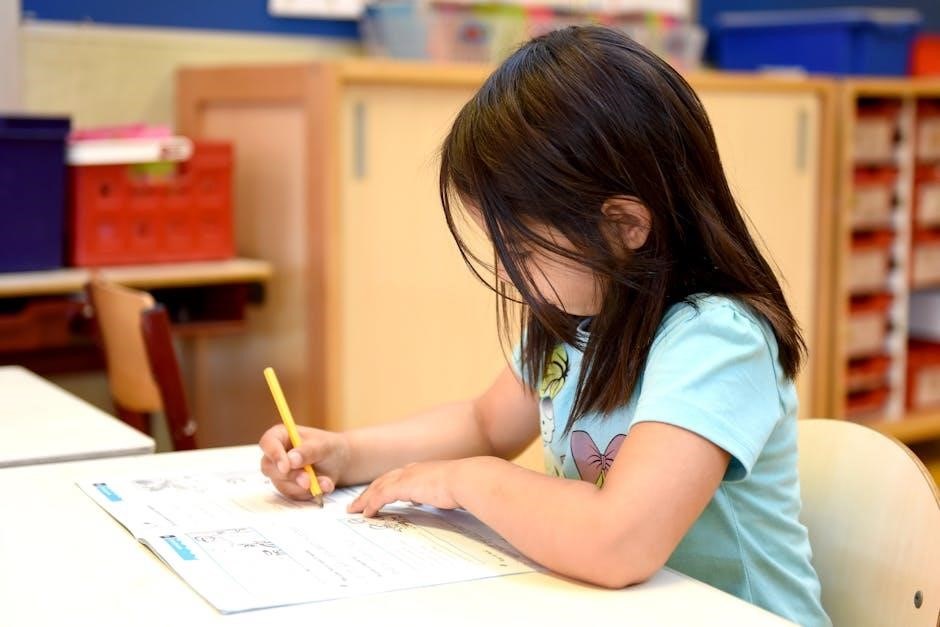
International textbook standards significantly impact primary school textbooks in PDF format. Curriculum variations across countries necessitate diverse content‚ yet organizations strive for common benchmarks. Comparing curricula reveals differing emphases on subjects and pedagogical approaches. PDFs facilitate access to these varied standards‚ allowing educators to analyze global trends. The role of international bodies is crucial in promoting quality and consistency‚ while acknowledging cultural contexts within digital textbook distribution.
Comparing Curriculum Across Countries
Primary school textbooks in PDF format enable a detailed comparison of curricula globally. Variations exist in subject prioritization – some nations emphasize early mathematics‚ while others focus on language arts. Grade levels also differ; what constitutes ‘primary’ varies significantly. PDFs allow educators and researchers to analyze these discrepancies‚ identifying best practices and areas for improvement. Accessing diverse textbooks in PDF reveals cultural influences shaping educational content and pedagogical approaches worldwide.
The Role of International Organizations
International organizations play a crucial role in standardizing educational resources‚ including primary school textbooks in PDF format. UNESCO‚ for example‚ promotes open educational resources (OER)‚ often available as PDFs‚ fostering equitable access to learning materials. These organizations facilitate curriculum development and exchange‚ influencing content and pedagogical approaches globally. Utilizing PDF textbooks allows for easier dissemination of these standardized materials‚ supporting international collaboration and improving educational quality across diverse regions.
Tools for Working with PDF Textbooks
Several tools enhance the experience of using primary school textbooks in PDF format. PDF readers like Adobe Acrobat Reader and Foxit Reader allow viewing and basic annotation. More advanced software‚ such as PDFelement or Nitro PDF‚ enables editing‚ highlighting‚ and note-taking directly within the PDF. Annotation and highlighting software improves comprehension and facilitates interactive learning‚ making PDF textbooks more engaging for young students and educators alike.
PDF Readers and Editors
For accessing primary school textbooks in PDF format‚ numerous readers are available. Adobe Acrobat Reader is a widely used‚ free option for viewing‚ printing‚ and annotating. Alternatives like Foxit Reader offer similar functionality with a potentially smaller file size. For editing capabilities – crucial for interactive learning – consider PDFelement or Nitro PDF. These editors allow modifications‚ form filling‚ and more robust annotation features‚ enhancing the usability of PDF textbooks.
Annotation and Highlighting Software
Effective learning with primary school textbooks in PDF format relies heavily on annotation tools. Software like Xodo and Kami provide robust highlighting‚ underlining‚ and note-taking features directly within the PDF. These tools often integrate with cloud storage‚ enabling access across devices. Interactive features‚ such as drawing and adding shapes‚ cater to diverse learning styles. Utilizing annotation software transforms static PDF textbooks into dynamic‚ personalized learning resources for young students.
The Future of Primary School Textbooks
The evolution of primary school textbooks in PDF format points towards interactive experiences. Expect increased multimedia integration – videos‚ animations‚ and audio – embedded directly within PDFs. Artificial Intelligence (AI) will personalize learning paths‚ adapting content difficulty based on student performance. Interactive PDFs will offer self-assessment quizzes and immediate feedback. This shift promises a more engaging and effective learning experience‚ moving beyond static text towards dynamic educational resources.
Interactive PDFs and Multimedia Integration
The future of primary school textbooks in PDF form lies in interactivity. Imagine PDFs embedding videos explaining complex concepts‚ or audio pronunciations for language learning. Integrated quizzes offer immediate feedback‚ personalizing the learning journey. These aren’t static documents; they’re dynamic learning tools. Multimedia enhances engagement‚ catering to diverse learning styles. This integration transforms PDFs from simple digital copies into immersive educational experiences‚ maximizing comprehension and retention for young learners.
The Impact of AI on Textbook Development
Artificial Intelligence is poised to revolutionize primary school textbook PDF creation. AI can personalize content‚ adapting to each student’s pace and learning style. Automated content generation ensures up-to-date information‚ while AI-powered editing enhances clarity and accuracy. Furthermore‚ AI can analyze student performance data within PDFs‚ identifying areas needing improvement. This leads to more effective‚ tailored learning materials‚ ultimately improving educational outcomes and transforming how PDF textbooks are designed.
Security and Virus Concerns with PDF Downloads
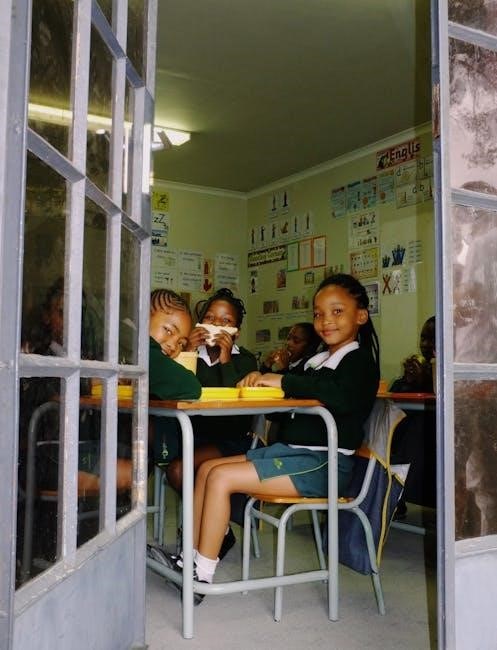
Downloading primary school textbooks in PDF format requires caution. Malicious PDFs can harbor viruses and malware‚ compromising devices and data. Always download from official‚ reputable sources like government portals or trusted educational websites. Regularly scan downloaded PDFs with updated antivirus software before opening. Enable browser security features and avoid clicking suspicious links. Prioritizing safe downloading practices protects students and educators from potential cyber threats associated with PDF textbook access.
Safe Downloading Practices
When obtaining primary school textbooks in PDF format‚ prioritize safety. Only download from verified sources – official government education portals and reputable educational resource websites are best. Verify website security (HTTPS). Before opening‚ scan PDFs with reliable antivirus software. Avoid clicking on unfamiliar download links or advertisements. Keep your operating system and security software updated. Regularly back up your data to mitigate potential damage from malicious PDFs‚ ensuring a secure learning experience.
Scanning for Malware
Protecting devices is crucial when using primary school textbooks in PDF format. Always scan downloaded PDFs with updated antivirus or anti-malware software before opening them. Utilize features like real-time scanning for continuous protection. Consider a second-opinion scanner for enhanced detection. Be wary of PDFs requesting unusual permissions. Regularly update your security software to defend against new threats. A proactive approach minimizes risks associated with potentially harmful files disguised as educational resources.